
AI Voice Agents for Real Estate
Answer buyer questions, qualify seller and mortgage leads, and schedule property viewings. All handled by telli's voice agents, day or night, without your team chasing the phone.












Industry Challenges
The reality of Real Estate operations today
Inbound buyer and seller leads go cold within minutes
Real estate is one of the most speed-sensitive industries in B2C. Buyers and sellers fill out forms when they're actively shopping, and the first agent to actually have a conversation wins a disproportionate share of the listings. Most brokerages can't deliver sub-minute callbacks consistently, especially on evenings and weekends when half the leads come in.
- Inbound web leads expire in minutes, not hours, and most teams can't keep up
- Generic callback queues let competitors win listings before your agents ever pick up the phone
- telli calls every new lead within seconds of form submission, 24/7, and qualifies them before an agent steps in
Agents are stuck on routine calls instead of closing
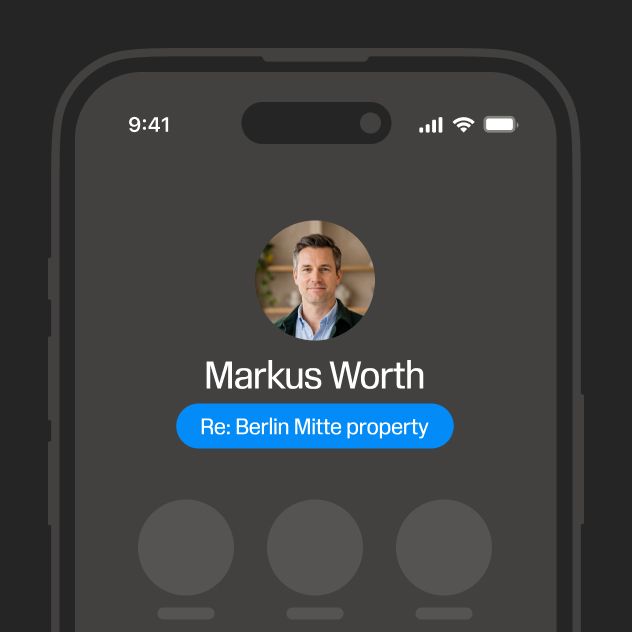
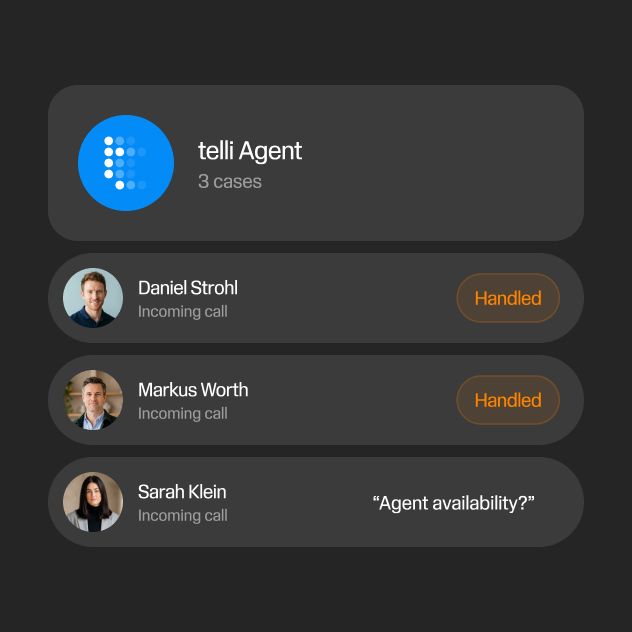
Property valuations, viewing requests, mortgage inquiries, agent availability, basic listing questions — these calls flood the brokerage every day, and most of them don't need a licensed agent to answer. But they still consume the day. The result is agents spending hours on intake instead of on the high-stakes conversations that actually move properties.
- Routine inbound questions (viewings, valuations, listing details) eat agent productivity
- Missed calls during showings or off-hours convert directly into lost listings
- telli handles intake, scheduling, and basic Q&A end-to-end so agents only see qualified, ready-to-talk prospects
Aged buyer and seller leads sit dormant in the CRM
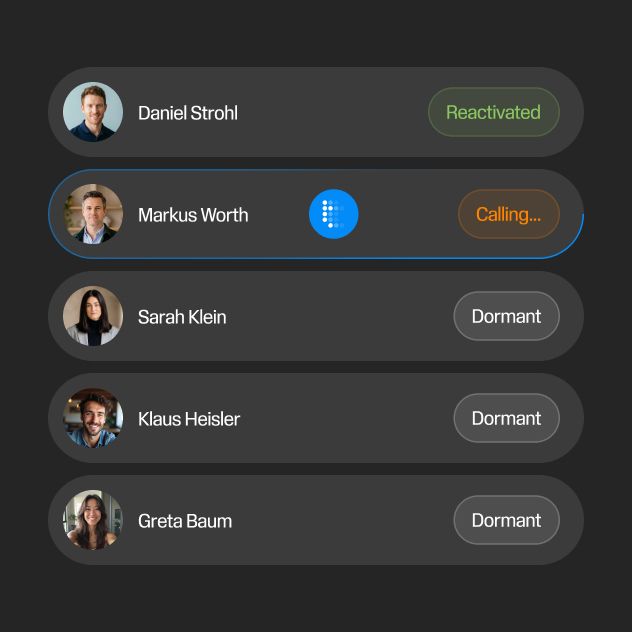
Every brokerage has a pile of leads that once raised their hand and then went quiet: the prospect who almost listed, the buyer who paused their search, the lead who never got a callback in time. Manually working through thousands of aged leads isn't feasible for a human team, but those leads still represent real revenue, just sitting in the CRM doing nothing.
- Dormant buyer and seller leads accumulate faster than any team can re-engage them
- Email reactivation barely moves the needle, and manual calling doesn't scale
- telli reactivates aged leads with personalized outbound calls and books warm prospects directly into your agents' calendars
Read more about our product and features here
Our platformUse Cases
How Real Estate teams uses telli
Lead Qualification
Qualify every buyer, seller, and mortgage lead the moment they submit a form. telli's voice agents call back within seconds, run a real qualification conversation, and book viewings or consultations directly into the right agent's calendar.
Reactivation
Revive aged buyer and seller leads sitting in your CRM. telli runs personalized outbound campaigns across thousands of dormant contacts and routes the warm ones to your agents with full context.
AI Receptionist
Answer every inbound call instantly, 24/7. telli handles viewing requests, valuation inquiries, and basic property questions, then routes complex calls to the right agent with a full conversation summary.
Customer Engagement
Keep buyers and sellers engaged across the entire transaction lifecycle. From viewing reminders to post-closing check-ins, telli runs the proactive outreach that keeps your brokerage top-of-mind.
Real Estate
Find out more about Real Estate with telli
Why phone-first AI is reshaping real estate operations
Real estate has always been a phone business. Buyers call when they see a listing they like. Sellers call when they want to know what their home is worth. Mortgage prospects call when they're ready to talk numbers. Every meaningful step of a transaction still flows through a phone conversation at some point, even in an industry that has otherwise moved most of its workflow to digital channels.
The challenge isn't whether the phone matters in real estate, it's that the phone-based workload has outgrown what most brokerage teams can handle. Inbound inquiries arrive around the clock, leads expire within minutes if nobody picks up, and the volume of routine questions (viewing times, listing availability, valuation requests) consumes hours that agents should be spending on actual transactions. The brokerages that solve this problem cleanly tend to win more listings and close more deals; the ones that don't, lose volume quietly to competitors who got to the phone faster.
That's the opening voice AI was built for. telli's AI voice agents handle the high-volume, high-recurrence calls that flood every real estate operation — qualifying inbound leads, scheduling viewings, answering basic property questions, and reactivating dormant prospects — so the licensed agents on your team can focus on the conversations that actually move properties.
Where AI voice agents fit in a real estate operation
Most brokerages don't need AI to replace their agents. They need AI to absorb the call volume that distracts agents from doing the work only agents can do. The use cases that consistently produce the strongest results in real estate fall into four buckets.
The first is inbound lead qualification. When a prospect fills out a form on a property listing or a valuation page, the difference between a 30-second callback and a four-hour callback is the difference between a booked viewing and a lost lead. telli calls every new inbound lead within seconds of form submission, runs a real qualification conversation, and either books the viewing directly into the right agent's calendar or filters out leads that aren't a fit before they ever reach an agent.
The second is inbound call handling. Brokerages get a constant stream of calls asking about listings, viewing times, agent availability, and general property questions. telli answers these calls instantly, around the clock, and handles them end-to-end where possible. When a call genuinely needs an agent (a serious buyer with a specific question, a seller ready to discuss a listing agreement), telli warm-transfers with a full conversation summary so the agent steps in already knowing the context.
The third is aged lead reactivation. Every brokerage sits on a database of leads that went quiet: buyers who paused their search, sellers who almost listed, prospects who never got a callback in time. telli runs personalized reactivation campaigns across thousands of dormant contacts in the background, books warm prospects into agent calendars, and cleanly closes out the leads that aren't ready to reduce CRM clutter.
The fourth is lifecycle engagement. A real estate transaction has a long arc: viewings, offers, financing, inspections, closing, post-closing follow-up. telli runs the proactive touchpoints across that arc (reminders, check-ins, feedback calls) so the relationship stays warm even when an agent doesn't have time to call personally.
Why brokerages choose voice AI over hiring more staff
The traditional way to handle real estate call volume is to add headcount: more inside sales agents, more support staff, more virtual receptionists. The problem is that staffing scales linearly with volume, and the cost curve gets ugly fast. A brokerage doubling its lead flow can't easily double its staff without doubling its overhead. And even with full staffing, no human team can deliver consistent sub-minute callbacks 24/7 across nights, weekends, and holidays.
Voice AI flips the cost structure. telli handles unlimited concurrent calls without adding headcount, runs at a fraction of the cost of a staffed alternative, and delivers consistent service quality on every interaction. The brokerages getting the strongest results don't think of AI as a cost-cutting tool, they think of it as a capacity unlock that lets them grow lead volume without growing their support footprint.
The economics tend to show up in two places. Cost-per-qualified-appointment drops because no agent time is wasted on leads that aren't a fit. Conversion rates climb because every inbound lead gets contacted while their intent is at peak. Over a quarter or two, the combined effect on listing volume and deal flow tends to justify the entire investment.
Compliance, data handling, and trust
Real estate is a regulated industry in most markets, especially around mortgage lending, data privacy, and consumer protection. Any voice AI platform used in real estate has to meet a real compliance bar. telli is built with strict security and privacy standards including GDPR, HIPAA, SOC 2, and EU AI Act alignment, with EU hosting available for European brokerages. All conversation data is encrypted, access is tightly controlled, and processes are audited regularly.
For brokerages that operate across multiple regions or that work with mortgage and financial products, this matters operationally. Compliance isn't a footnote, it's part of the product, and the brokerages that scale voice AI successfully tend to be the ones that built their setup with regulatory rigor from day one.
Voice AI as a permanent layer of your operations
The biggest shift telli sees with successful real estate customers is that voice AI stops being a project and becomes infrastructure. It's not a quarterly initiative or a campaign, it's the always-on first response that handles the majority of inbound calls, runs the reactivation motions in the background, and keeps the lifecycle engagement going without anyone on the team having to think about it.
With telli running across your inbound and outbound call flows, every lead gets contacted while their intent is at peak. Every viewing request gets handled or scheduled. Every dormant lead gets a structured re-engagement attempt at the right moment. Your agents stop spending their days on intake and follow-up, and start spending them on the conversations that actually close deals. That's what AI voice agents look like when they're done right for a real estate operation: not a flashy tool, but a quiet system that keeps your phones answered, your pipeline moving, and your team focused on the work that only humans can do.
Enterprise-Grade Protection by Default.

Resources
Other Resources

FAQ
Frequently Asked Questions
How do AI voice agents help real estate brokerages?
AI voice agents help real estate brokerages by absorbing the routine call volume that consumes agent time. telli answers every inbound call instantly, qualifies new buyer and seller leads within seconds of form submission, schedules viewings directly into agent calendars, and reactivates dormant prospects in the background. The result is agents spending more of their time on transactions and less on intake, while the brokerage handles more total lead volume without adding staff.
Can telli handle inbound calls about property listings?
Yes. telli answers every inbound call instantly, around the clock, and handles common real estate questions end-to-end: viewing times, property availability, agent contact, basic listing details, valuation inquiries, and scheduling. For calls that need a licensed agent (a serious buyer ready to make an offer, a seller ready to discuss a listing agreement), telli warm-transfers to the right person with a full conversation summary already captured.
How does telli qualify real estate leads?
telli calls every new inbound lead within seconds of form submission and runs a structured qualification conversation in the consumer's preferred language. The AI captures the qualifying details that matter for your business (location, property type, timeline, budget range, ownership status), filters out leads that aren't a fit, and books qualified prospects directly into the right agent's calendar with a full brief attached.
Can telli reactivate aged buyer and seller leads?
Yes. Aged lead reactivation is one of the strongest use cases for AI voice agents in real estate. telli runs personalized outbound campaigns across thousands of dormant contacts, references each lead's prior interaction (the listing they viewed, the form they filled out, the agent they last spoke to), and either books warm prospects into agent calendars or cleanly closes out the leads that aren't ready.
Is telli compliant for real estate operations?
Yes. telli is built with strict security and privacy standards, including GDPR, HIPAA, SOC 2, and alignment with the EU AI Act, with EU hosting available for European brokerages. All data is encrypted, access is tightly controlled, and processes are audited regularly. This matters in real estate because of the regulatory bar around mortgage products, consumer data handling, and cross-border transactions.
Does telli integrate with real estate CRMs?
Yes. telli integrates directly with major CRMs (Salesforce, HubSpot, Pipedrive, Microsoft Dynamics, Zoho) and scheduling platforms (Calendly, Cal.com, HubSpot Calendar, Google Calendar, custom calendars). Conversation outcomes, lead qualification status, and viewing bookings sync in real time, so your agents always have current data without manually transcribing notes.
How quickly can a real estate brokerage launch telli?
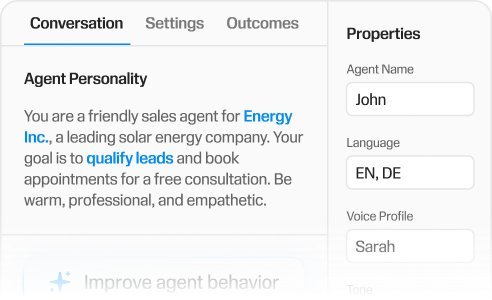
Most brokerages go live within days, not weeks. telli's prompt editor (telli studio) lets you configure call flows, qualifying questions, and routing logic without engineering involvement, and standard CRM integrations are ready out of the box. The brokerages getting the strongest results typically start with one workflow (usually inbound lead qualification or aged lead reactivation), measure the impact, and expand from there.
Will buyers and sellers know they're talking to AI?
Most don't, and many don't believe it even after being told. telli's AI voice agents are designed to sound natural, human-like, and conversational, with native-sounding accents in over 40 languages. For real estate specifically, this matters: a stilted robocall would damage trust at the first touchpoint, while a natural conversation lands like talking to a competent intake specialist.
Can telli handle multilingual real estate operations?
Yes. telli supports over 40 languages with native-sounding accents, which matters for brokerages operating in multilingual markets or serving international buyers. The AI can detect the caller's preferred language and adapt mid-conversation, ensuring every buyer or seller gets a professional experience regardless of where they're calling from.